


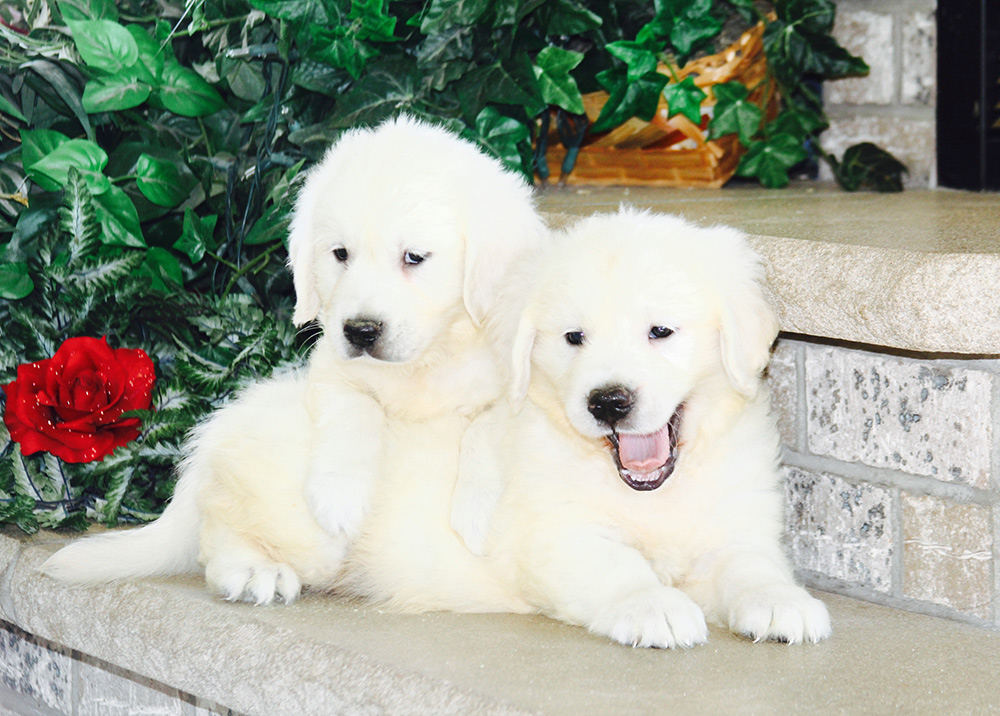

Growing up with a dog can be a rewarding experience that helps shape a child’s development in meaningful ways. From the excitement of bringing home a new dog, to the everyday routines of playing with and caring for a pet, children have countless opportunities to learn valuable life skills. A family dog can help children develop empathy, build confidence, stay active, and form strong emotional connections. With proper guidance and supervision, these early experiences are sure to become a valuable part of childhood.
Encourages Empathy and Compassion
Learning to care about another living being is an important part of growing up. Dogs give children everyday opportunities to practice kindness by recognizing when their pet needs water, space, rest, or gentle attention.
For example, a child might learn that a puppy may not want to play while sleeping or eating. With guidance from an adult, these moments facilitate boundaries and places emphasis on the consideration of another living being’s needs. According to the American Academy of Child and Adolescent Psychiatry, a strong bond with a pet helps children develop nonverbal communication skills, compassion, and empathy.
Supports Emotional Well-Being
Children and teenagers experience a range of emotions as they grow, from excitement and happiness to worry and sadness. A family dog offers companionship during everyday ups and downs.
Spending quiet time with a puppy, playing fetch in the yard, or cuddling with a pet can become a comforting part of a child’s routine. For adolescents, a pet may also provide a sense of connection during periods of change or stress. The company a pet provides can become a beneficial and essential part of family life.
Teaches Responsibility and Builds Confidence
A puppy introduces new routines that children can gradually learn to participate in. Depending on their age, children might help refill a water bowl, brush the dog’s coat, put away toys, or join in on a walk.
These small tasks show children that caring for another living being requires consistency and attention. Completing age-appropriate responsibilities also helps little ones feel capable and included. The goal is to help children build confidence through participation, rather than expecting them to manage responsibilities they are not ready for.
Encourages Physical Activity and Social Interaction
Dogs naturally create opportunities for movement and shared experiences. Playing fetch, exploring the backyard, and taking family walks encourages children to spend more time outdoors and participate in physical activities.
Dogs may become a conversation starter; meeting other dog owners on walks or talking about a family pet with friends creates opportunities for social interaction and connection.
For adolescents, activities such as walking, playing with, and training a dog is a constructive way to spend free time while strengthening their bond with a family companion.
Finding the Right Puppy for Your Family
At MN English Golden, puppies are raised in a family environment and socialized around children, adults, and other pets. We place strong emphasis on early care and socialization as puppies prepare for their new home.
If you are considering welcoming an English Golden Retriever into your family, explore the available puppies page to learn more. Contact MN English Golden with any questions you might have as you take the next step toward finding a puppy for your family.


